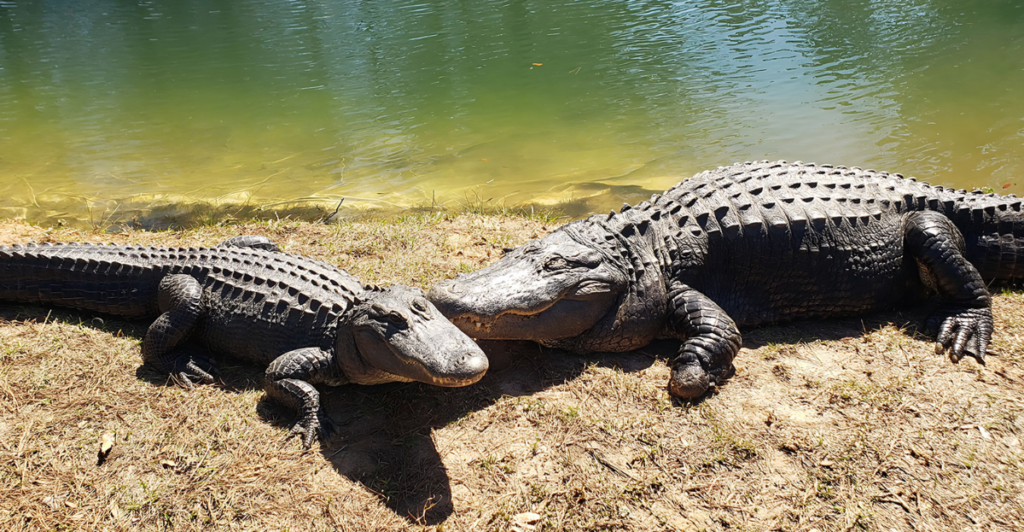
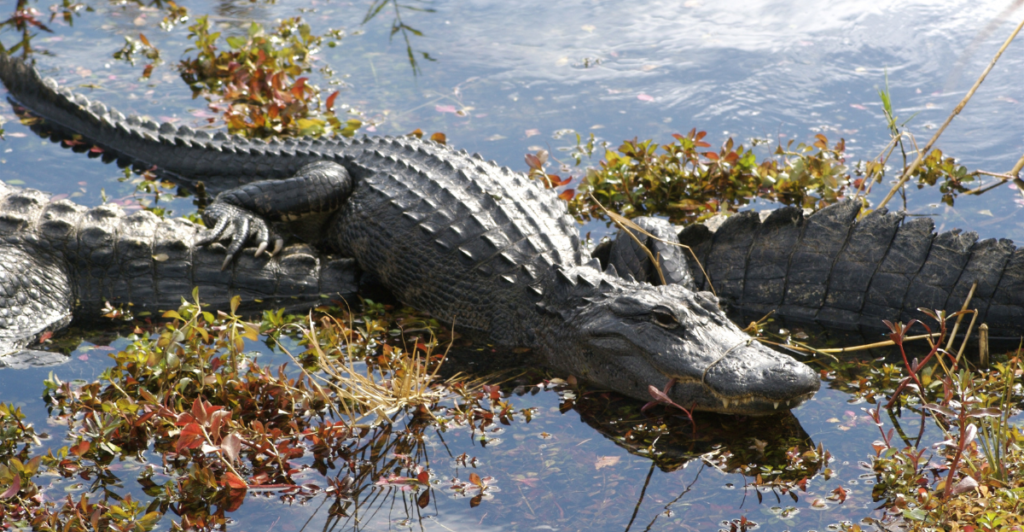
The American alligator (Alligator mississippiensis), nearly wiped out in Florida in the 1960s, has had an impressive recovery in the Everglades. As population numbers dwindled, conservationists, authorities, and locals combined efforts to protect the species and its habitat, allowing alligators to recover in America’s wetlands.
Their successful recovery is not just a conservation success story; it may also affect how much carbon coastal wetlands store. New research suggests that these apex predators do more than dictate food chains—they engineer ecosystems, increase biodiversity, and may support carbon sequestration in ways that defy conventional climate solutions strategies.
By looking at the surprising links between alligator ecology and blue carbon sequestration, we uncover an unexpected alliance between ancient reptiles and the fight against climate change.
A Swampy Comeback: Everglades Alligators
American alligators, which had flourished in the South Florida wetlands, came close to extinction due to hunting and habitat loss in the late 1960s. However, restoration strategies, including the Comprehensive Everglades Restoration Plan (CERP) and environmental and species protection laws, helped these apex predators recover and repopulate the Everglades. The U.S. Fish and Wildlife Service declared the American alligator fully recovered in 1987.
Their return has shown a remarkable ecosystem restoration, with growing populations regulating prey populations and maintaining the balance of wetland ecosystems, to create healthier and more resilient ecologies.
The alligator’s return to the Everglades is a triumphant success story that proves that targeted restoration can revive intricate, interdependent ecosystems vital to climate and biodiversity.
Ecosystem Engineers: How Alligators Remake the Wetlands
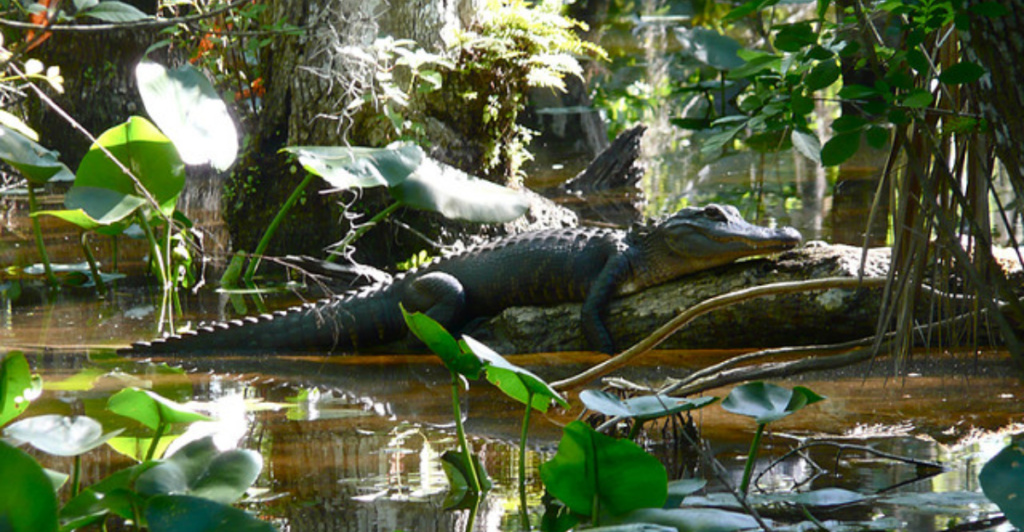
Alligators are considered “ecosystem engineers”, reshaping the Everglades’ landscape with their predation, breeding, and excretion activities. They dig “gator holes,” in which they wallow, regulate their temperature, and mate.
These holes, or ponds, create water refuges for fish, amphibians, birds, and plants during dry periods, sustaining aquatic environments when water levels are low. These depressions also contain nutrients that sustain algae, the basis of the food chain, fostering biodiversity.
As alligators move through the waters, their activities also optimize nutrient cycling due to their organic material deposits, enriching the food chain and contributing to the productivity of the entire ecosystem. Further, their engineering activities provide the conditions for aggressive plant growth that is vital for carbon sequestration.
Nutrient Cycling: Fertile Hotspots in Alligator Ponds
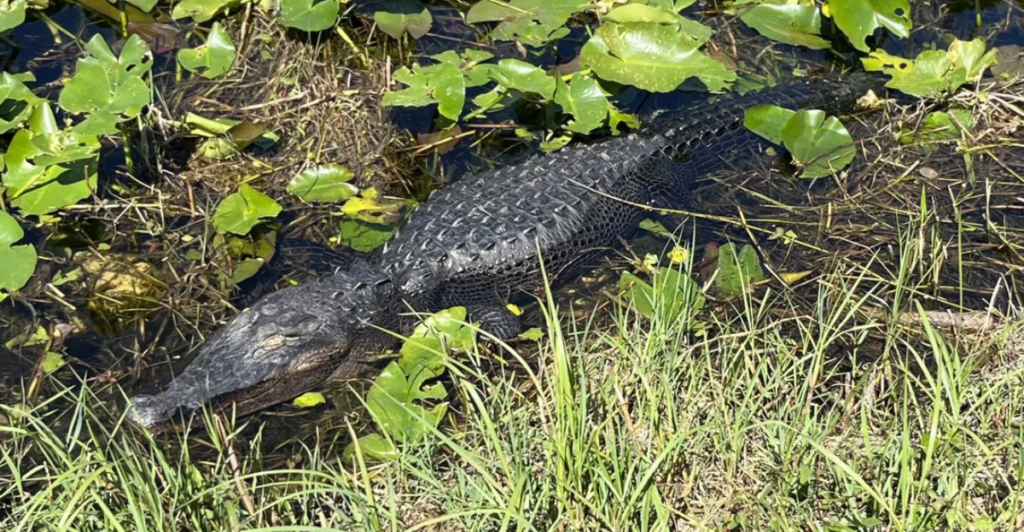
Alligator ponds act as nutrient-rich hotspots within the Everglades, accumulating phosphorus and organic matter through the species’ activity. These ponds enhance nutrient cycling, encouraging plant growth and sustaining large aquatic food webs.
This localized fertility supports and encourages wetland vegetation regeneration, which is essential for carbon sequestration. This nutrient concentration also sustains rich species, from fish to wading birds, further ensuring the ecosystem’s health.
These nutrient hotspots counterbalance nutrient-poor surrounding marshes, illustrating how alligators indirectly promote ecosystem health. Their action in nutrient dynamics reveals a more profound ecological function that helps the Everglades capture and sequester atmospheric carbon.
Carbon Sequestration: The Wetland’s Secret Superpower
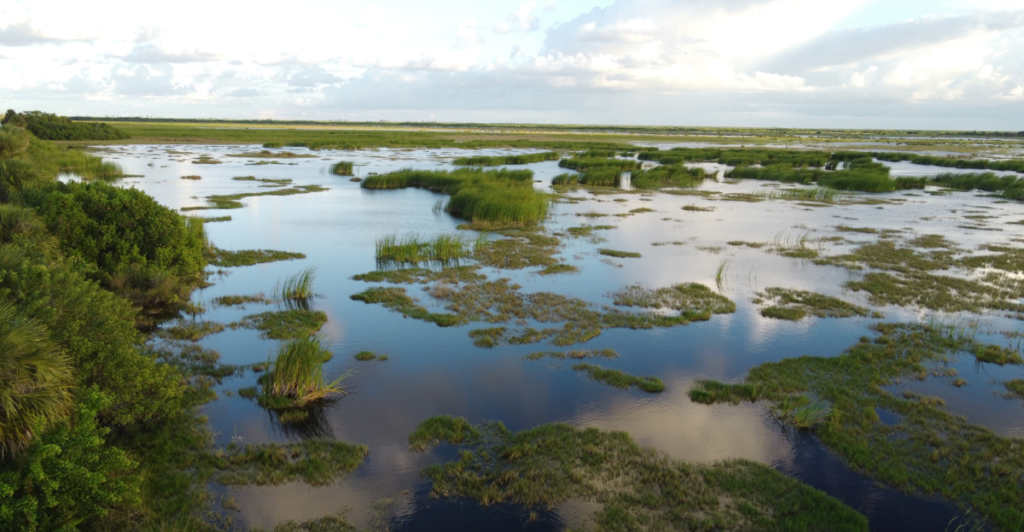
The Everglades is among the largest wetland systems in the United States and holds enormous amounts of carbon in its soil and vegetation. However, years of infrastructure development, drainage, and pollution have eroded the Everglades’ potential as a carbon sink.
Carbon sequestration heavily depends on healthy water flow and vegetation, both of which are encouraged by alligator activity. By keeping pools of water in place and promoting plant growth, for example, alligators help amplify the wetland’s ability to absorb carbon, burying it permanently and offering a nature-based solution to climate change.
Therefore, restoring the Everglades is not just about rescuing animals; it preserves the region’s most robust natural resources for trapping and storing atmospheric CO2.
Trophic Cascades—Predators, Plants, and Carbon

Trophic cascades describe the indirect effects that apex predators, such as alligators, have on ecosystems. This is specific to their chain reaction effect on regulating herbivores, increasing plant growth, and amplifying carbon sequestration.
Apex predators regulate herbivore populations through predation and fear, reducing overgrazing and increasing plant growth, which in turn enhances carbon fixation and storage.
Recent studies show that the mere presence of predators can result in up to 1.4 times more carbon sequestration, even without changes in overall herbivore numbers. Further, predators alter plant and animal matter, slowing decomposition rates and extending carbon retention in soil.
Quantifying the Impact—Alligators and Carbon Storage
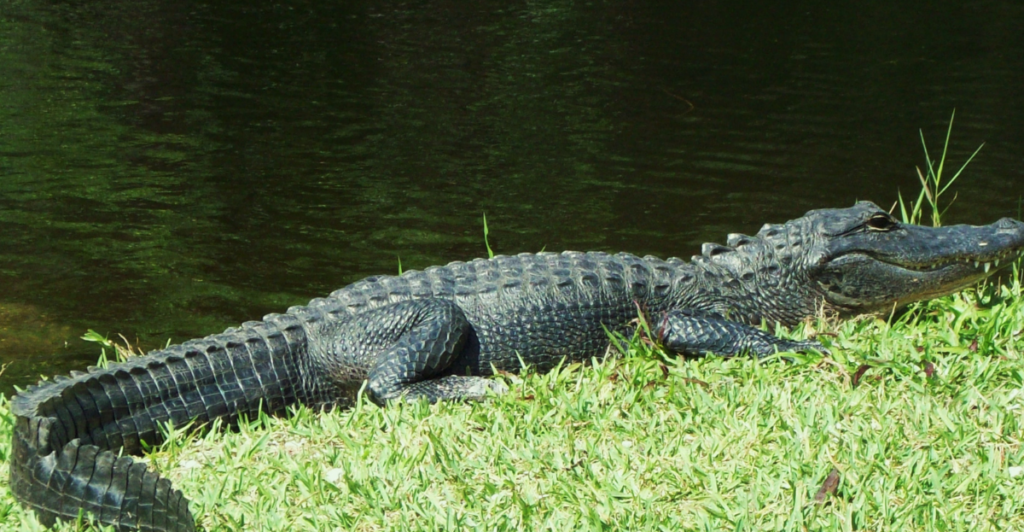
A 2025 study published in the journal Scientific Reports has linked American alligator populations in wetlands to increased soil carbon storage. Using soil samples from the Smithsonian Coastal Carbon Network, scientists found that areas with higher alligator populations had significantly more carbon sequestration in roughly 3.9 inches of topsoil.
In Louisiana, for example, alligator populations increasing by 10,000 individuals resulted in a measurable boost in soil carbon, suggesting that a single adult alligator can contribute up to hundreds of kilograms of carbon storage.
These findings suggest that protecting alligators could help coastal wetlands like the Everglades act as carbon sinks, although the study shows a correlation rather than proof of cause.
What About Miami’s CO2?

Miami emits millions of tons of CO2 annually due to urbanization and transportation. The Everglades’ wetlands store large amounts of carbon, but no study has calculated how much of the city’s emissions alligator activity might offset.
Healthy, restored wetlands are widely recognized as valuable carbon sinks, which challenges the notion that urban emissions can only be addressed by technology or policy alone.
Instead, natural ecosystems, such as the Everglades, provide complementary carbon sinks. This understanding promotes including ecosystem restoration in urban climate plans, emphasizing the link between city emissions and surrounding natural landscapes.
Alligators, Technology, and Urban Design

Technology has revolutionized our understanding of how alligators impact and restore ecosystems and their role in carbon sequestration. Satellite technology, drones, and AI models survey alligator movements and map carbon-rich habitats, optimizing conservation strategies.
Urban planners in Miami increasingly view the Everglades as important green infrastructure rather than wilderness. This ecotechnology forces policymakers and conservationists to rethink urban resilience, perhaps by integrating natural spaces and urban areas.
By investing in alligator-populated wetlands as climate assets, cities can turn increased biodiversity against carbon emissions into an unlikely marriage of biology, technology, and urban planning.
Rethinking Conservation—Predators as Climate Solutions
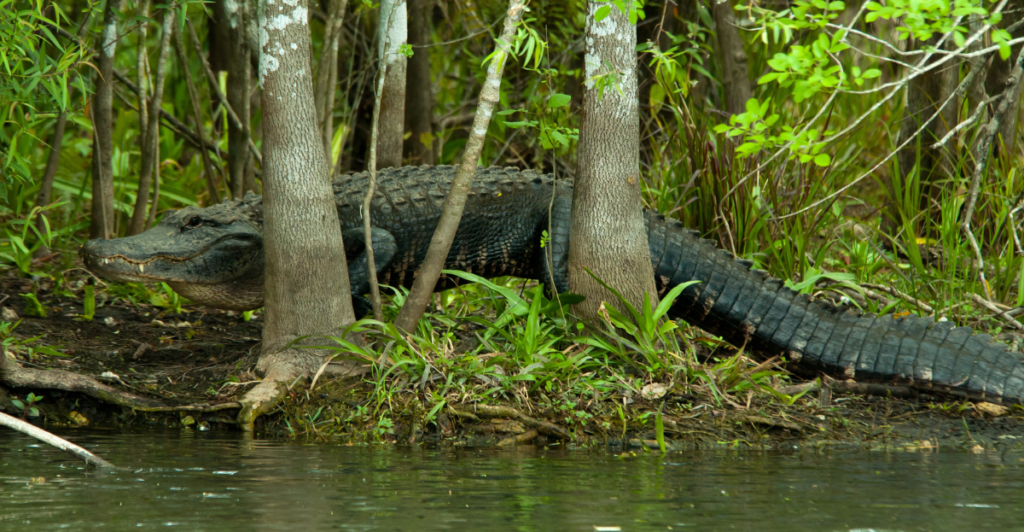
The American alligators’ effect on the Everglades and carbon sequestration challenge the conventional wisdom that conservation and climate action are separate pursuits. Protecting alligators in their native wetlands may set off a chain reaction.
Here, ecologically engineered habitats, increased biodiversity, and enhanced carbon storage could support South Florida’s broader fight against climate change. As cities around the world seek innovative climate solutions, the word is out: sometimes, nature can do the job better.
This new information is revolutionizing the way we treat apex predators, and it’s high time to begin seeing them not just as ecological cornerstones but as co-conspirators in the world’s struggle to balance the carbon books.
Explore more of our trending stories and hit Follow to keep them coming to your feed!

Don’t miss out on more stories like this! Hit the Follow button at the top of this article to stay updated with the latest news. Share your thoughts in the comments—we’d love to hear from you!
2026 Update: What the Alligator Carbon Study Does and Doesn’t Show
Some background. American alligators recovered in place in the Everglades once hunting was controlled and the species was protected. The U.S. Fish and Wildlife Service declared the alligator fully recovered in 1987, though it remains listed as “threatened due to similarity of appearance” to help protect look-alike crocodilians.
The research behind this article is a study by Christopher Murray, Tyler Coleman, Wray Gabel and USGS scientist Ken Krauss, published in Scientific Reports in January 2025. Using soil cores from the Smithsonian’s Coastal Carbon Network, it found that alligator presence and abundance are positively correlated with soil carbon stocks in tidal wetlands along the U.S. Gulf and Atlantic coasts. The authors interpret this through trophic cascade theory: alligators may control animals that would otherwise damage carbon-storing marsh vegetation. However, the findings show a correlation, not proof of cause. The study does not calculate any offset of a specific city’s CO2 emissions. The research still strengthens the case that protecting large predators and the wetlands they live in can support carbon storage.
Sources
- USGS: American alligators as wetland ecosystem carbon stock regulators (Scientific Reports, 2025)
- Eos: Alligators may boost carbon storage in coastal wetlands